If you’ve ever stepped on a body composition scale or had an InBody scan, you may have seen something called your “metabolic age.” Through education and coaching, I help my clients understand the importance and benefits of improving their basal metabolic rate (BMR). This gives them a clearer understanding of why consistent habits like balanced nutrition, regular movement, and proper hydration matter—especially when they begin to see those changes reflected in their results.
It can feel exciting if it’s younger than your actual age…
—or concerning if it’s older.
But what does this number actually mean? And more importantly—should you worry about it?
Let’s break it down.
What Is Metabolic Age?
Metabolic age is an estimate that compares your body’s basal metabolic rate (BMR) to average values for your age group.
Your BMR is the number of calories your body needs at rest to support essential functions like:
- Breathing
- Circulation
- Temperature regulation
- Cellular repair
If your body burns more calories at rest than average, your metabolic age may be reported as younger.
If it burns less, it may appear older.
Here’s the Truth: It’s Just an Estimate
Before you put too much weight on this number:
Metabolic age is not a diagnosis.
It does not fully define your health.
It’s based on averages and can be influenced by:
- Muscle mass
- Body fat
- Hydration
- Food intake
- The device used
Think of it as a general snapshot—not the full picture.
What Metabolic Age Can Tell Us
Metabolic age often reflects something more meaningful:
Your body composition and metabolic health
A “lower” metabolic age may suggest:
- More lean muscle
- Less abdominal fat
- Better blood sugar control
- More efficient metabolism
A “higher” metabolic age may be associated with:
- Higher body fat
- Lower muscle mass
- Reduced metabolic efficiency
These patterns are linked to increased risk for:
- High cholesterol
- Blood sugar imbalances
- Heart disease
But again—this is a clue, not a diagnosis.
Metabolic Age vs. Real Health
Here’s what I tell my clients all the time:
You can have a “good” metabolic age and still feel:
- Tired
- Bloated
- Stressed
And you can have a higher metabolic age while:
- Improving your habits
- Feeling better
- Moving in the right direction
Your daily habits matter far more than any number.
How to Improve Your Metabolic Health
Instead of chasing a number, focus on what actually supports your body.
1. Prioritize Protein & Muscle Health
Muscle is one of the most important factors in metabolism—especially as we age.
- Include protein at each meal
- Support strength and muscle maintenance
- This is especially important during perimenopause and menopause
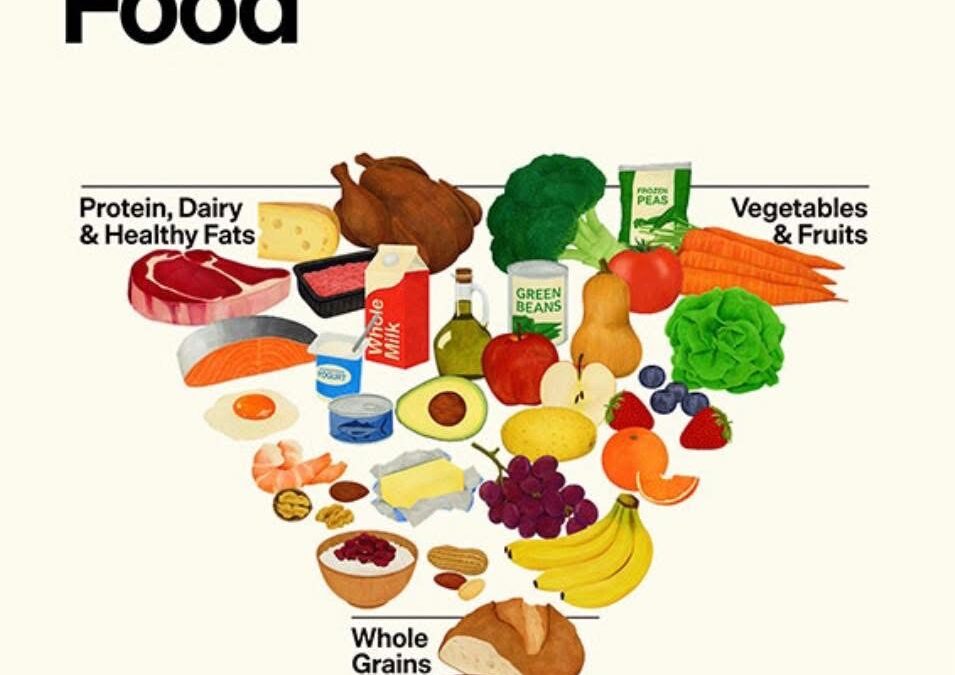
2. Eat Balanced Meals (Not Restrictive Diets)
Extreme dieting can slow your metabolism and backfire.
Focus on:
- Protein + fiber + healthy fats
- Whole, minimally processed foods
- Eating consistently throughout the day
3. Support Blood Sugar Stability
Stable blood sugar helps regulate:
- Energy
- Mood
- Cravings
- Hormones
Simple strategies:
- Pair carbs with protein
- Avoid skipping meals
- Limit highly refined sugars
4. Move Your Body in a Sustainable Way
Exercise doesn’t need to be extreme to be effective.
- Strength training (when possible)
- Walking or gentle movement
- Focus on consistency
5. Don’t Overlook Sleep
Sleep affects:
- Hunger hormones
- Stress levels
- Fat storage
- Energy
Aim for 7–9 hours when possible.
6. Manage Stress
Chronic stress can impact metabolism more than most people realize.
It can:
- Increase cravings
- Affect blood sugar
- Promote fat storage
Start small:
- Deep breathing
- Short walks
- Taking time for yourself
Just remember, real health is having steady energy, a better mood, improved labs and sustainable healthy habits. Real health is not just a number on a report.
If you’re feeling stuck with your metabolism, weight, or energy—especially during perimenopause or menopause—you don’t have to figure it out alone.
You can work with a registered dietitian to create a plan that actually fits your life.
Cited:
InBody Blog. “What Is Metabolic Age and How Does It Affect Your Health?” December 18, 2025 Edition.