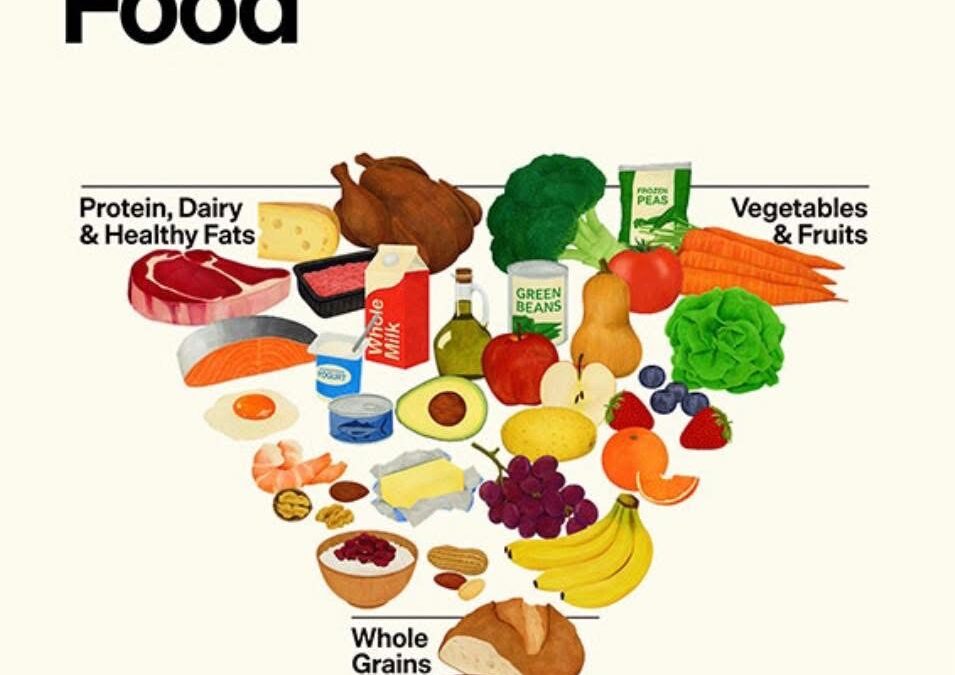
Protein gets most of the attention these days and rightly so. But fiber deserves just as much focus. A good rule of thumb: pair a protein source with a fiber-rich carb and a healthy fat at each meal.
If you’ve been trying to eat better and find fiber recommendations confusing, you’re not alone. Conflicting numbers on food labels, mixed guidance from different health sources, and the gap between what’s recommended and what most people actually eat all create real uncertainty. This guide cuts through the noise to answer one simple question: how much fiber do women actually need per day and are you getting it?
The Official Recommendations for Women
The Dietary Guidelines for Americans, published jointly by the U.S. Department of Agriculture and the U.S. Department of Health and Human Services, recommend the following daily fiber intake for women:
| Age Group | Daily Fiber Recommendation |
| Women 19–30 | 28 grams |
| Women 31–50 | 25 grams |
| Women 51+ | 22 grams |
| Pregnant women | 28 grams |
| Breastfeeding women | 29 grams |
For a simpler rule of thumb, the National Academy of Medicine recommends about 14 grams of fiber per 1,000 calories consumed. For most adult women eating 1,800–2,000 calories a day, that works out to roughly 25–28 grams daily in line with the guidelines above.
Soluble vs. Insoluble Fiber: Does the Type Matter?
Yes, though most official recommendations focus on total daily fiber rather than specifying exact amounts of each type. Here’s the difference:
Soluble fiber dissolves in water, forming a gel-like substance in the digestive tract. It slows digestion, supports stable blood sugar, feeds beneficial gut bacteria (when it’s fermentable and prebiotic), and helps manage LDL cholesterol. Good sources include oats, beans, apples, flaxseeds, and prebiotic fibers like FOS and inulin.
Insoluble fiber doesn’t dissolve in water. It adds bulk to stool and speeds transit through the digestive tract, making it the primary tool for preventing constipation. Good sources include whole wheat, bran, nuts, and most vegetables.Aim for a mix of both by eating a variety of whole foods rather than relying on a single source.
Whole Foods vs. Fiber Supplements
In general, it’s better to get fiber from whole foods than from supplements. Products like Metamucil, Citrucel, and Benefiber don’t provide the mix of fiber types, vitamins, minerals, and other nutrients that whole foods offer.
How to Read a Food Label for Fiber
- Choose cereals with 6 or more grams of fiber per serving.
- Choose breads and crackers with 3 or more grams per serving.
- Choose pasta with 4 or more grams per serving.
- As a general rule, look for at least 1 gram of fiber for every 10 grams of carbohydrate on a whole-grain product, a 1:5 ratio is even better.
Ignore front-of-package marketing. A bread labeled “multigrain” or “12 grain” isn’t necessarily whole grain because the grains could be refined and the bread low in fiber. Check the ingredient list instead, and make sure “whole” is the first ingredient listed.
Easy Ways to Get More Fiber in Your Diet
- Add vegetables, dried beans, and peas to soups.
- Add nuts, seeds, and fruit to plain yogurt.
- Make a vegetarian chili loaded with different beans and vegetables.
- Add berries, nuts, and seeds to salads.
- Snack on raw vegetables like cauliflower, broccoli, carrots, and green beans, paired with hummus or fresh salsa.
- Eat more whole, natural foods and fewer processed ones.
A few tips as you increase your fiber intake:
- Increase gradually to give your gastrointestinal tract time to adapt.
- Increase your water intake as you increase fiber.
- If you have digestive issues like constipation, check with your physician before dramatically increasing fiber consumption.
High-Fiber Breakfast Ideas
- Overnight oats with chia seeds, berries, and a tablespoon of ground flaxseed — easily hits 10–12g of fiber alone.
- Greek yogurt parfait with raspberries, a sprinkle of bran cereal, and sliced almonds.
- Avocado toast on whole-grain or sprouted bread with a poached egg — the avocado and whole-grain bread combo gives a solid fiber base plus protein.
- Green smoothie with spinach, frozen berries, chia seeds, and a scoop of protein powder — a convenient, on-the-go option that doesn’t require much chewing, great for busy mornings.
- Chia pudding made with unsweetened almond milk, topped with sliced pear and a few walnuts.
- Bran or whole-grain cereal (look for 5g+ fiber per serving) with milk and sliced banana.
- Veggie scramble with black beans, spinach, and bell peppers, served with a small side of berries.